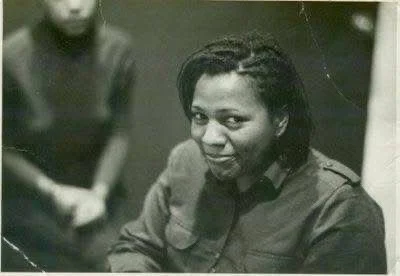
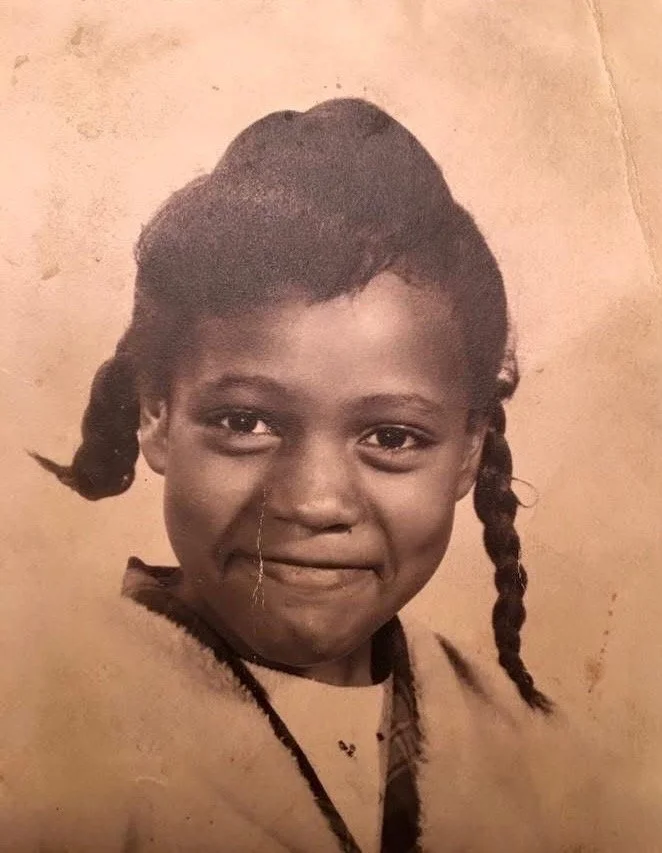
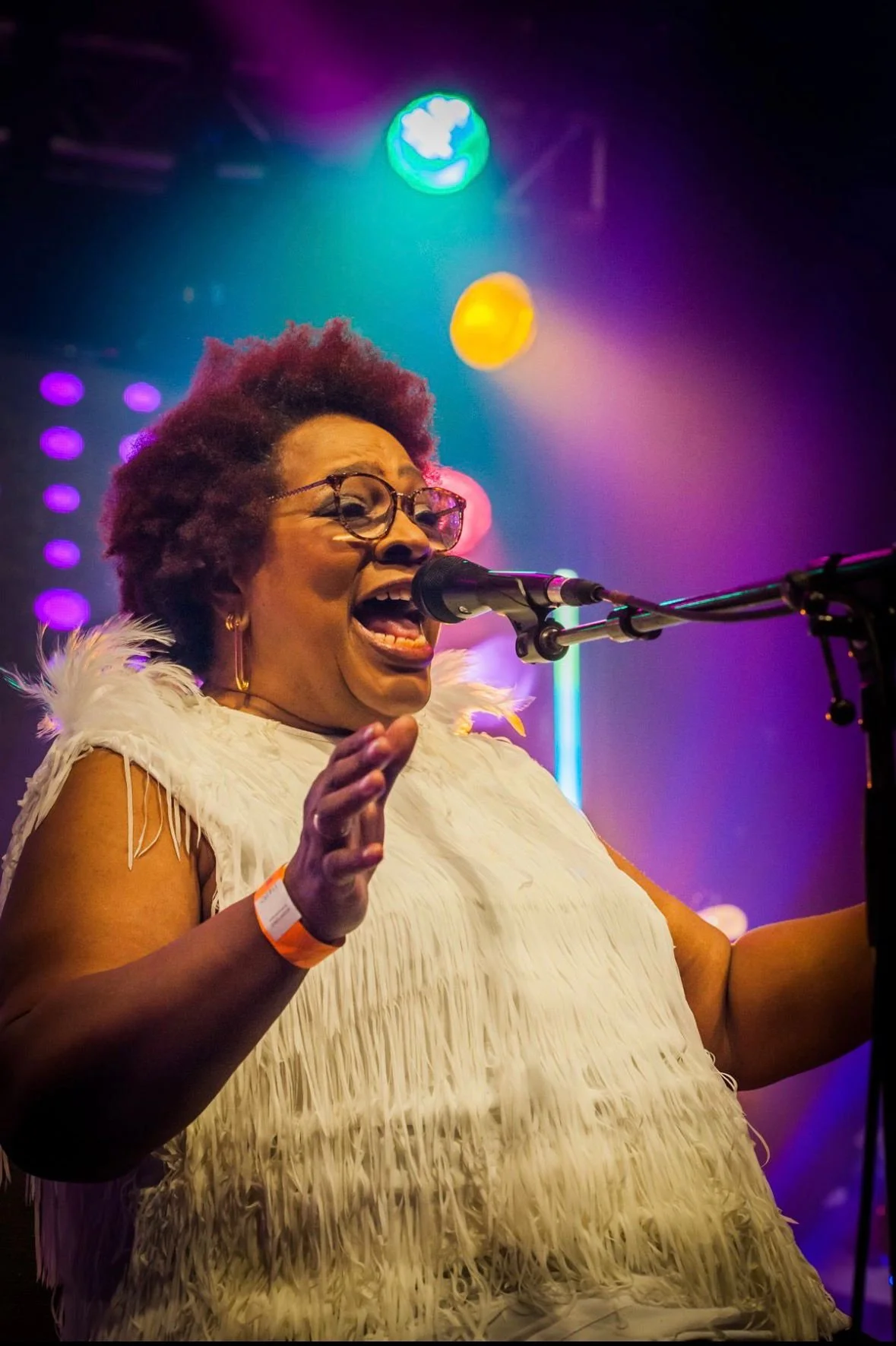
Jocelyn Brown’s story is one of resilience, reinvention, and a voice that has carried across generations of music. Born in Kinston, North Carolina and raised in a strong gospel tradition, she developed a vocal style that blends soul, church, disco, and house into a sound that is instantly recognisable and full of emotion.
Her professional journey began in the 1970s as a highly sought-after background vocalist, working with artists such as Diana Ross and Roberta Flack. Even behind the scenes, her voice stood out. It was bold, textured, and delivered with real conviction.
As dance music began to dominate the airwaves, Jocelyn stepped forward as a member of Musique during the height of the disco era. She was also part of the studio group Machine, further establishing her presence in the late 1970s and early 1980s dance scene. These early collaborations helped position her as one of the defining voices of club music.
In 1984, she released her signature solo anthem, “Somebody Else’s Guy,” an international club classic that remains one of the most loved dance records of its time. The track highlighted both her vocal strength and her ability to tell a story through song, something that would become central to her career.
One of the most remarkable parts of Jocelyn’s legacy is how often her voice has been sampled. Her 1985 track “Love’s Gonna Get You” later formed the foundation of Snap!’s global hit “The Power,” recognised worldwide for the line “I’ve got the power.” That record introduced her voice to a new generation and became one of the defining tracks of the late 1980s and early 1990s.
Her vocals have since been sampled and reworked across hip-hop, house, electronic, and pop. Over the years, her voice has appeared in more than 40 commercially released tracks. Producers continue to return to her recordings because of their strength, clarity, and emotional lift. Her voice does not simply sit on a track. It leads to it.
Throughout her career, she has collaborated with artists and producers including Inner City, Incognito, and Todd Terry, moving effortlessly between genres while maintaining her identity.
In addition to recording under her internationally recognised name, she also released music under her married name, Jocelyn Shaw. During that period, she continued to write, record, and perform, reflecting both personal change and artistic development.
Jocelyn Brown is more than a singer. She is a central figure in modern dance music. Her voice has powered global hits, filled dance floors for decades, and become part of the foundation of house and electronic music. Few artists can say their voice defined an era. Jocelyn Brown can say she helped define several.